Circuses
Elephants, tigers, and other animals that circuses use to entertain audiences do not stand on their heads, jump through hoops, or balance on pedestals because they want to. They perform these and other difficult tricks because they’re afraid of what will happen if they don’t.
To force animals to perform, circus trainers abuse them with whips, tight collars, muzzles, electric prods, bullhooks (heavy batons with a sharp steel hook on one end), and other painful tools of the circus trade. Video footage of animal training sessions shows that elephants are beaten with bullhooks and shocked with electric prods. Circuses easily get away with such routine cruelty because the government doesn’t monitor training sessions and handlers are cautious when they’re in public.
Constant Confinement
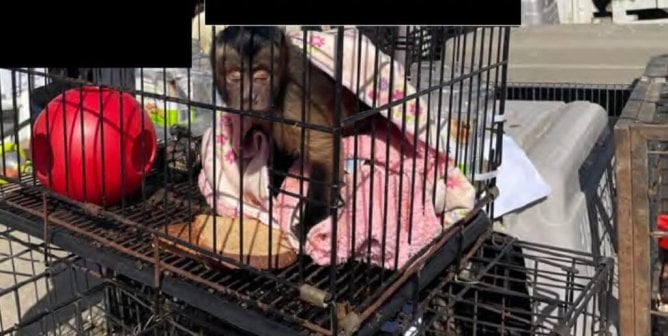
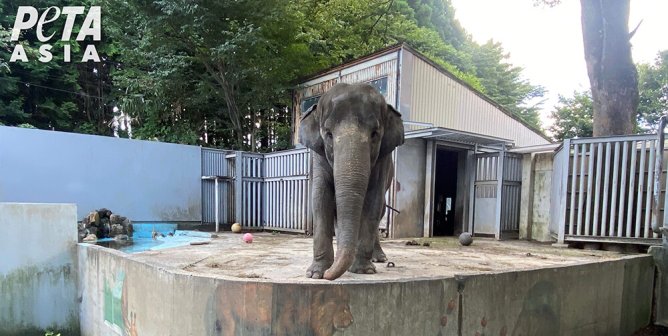
Circuses travel nearly year-round, in all weather extremes, sometimes for days at a time. While in transit, the animals are confined to trailers or trucks, where they may not have access to basic necessities, such as food, water, and veterinary care. Elephants are chained, and big cats are imprisoned in cramped, filthy cages, in which they eat, drink, sleep, defecate, and urinate—all in the same place. And there’s no relief once the animals reach a venue, where they remain caged and are chained in arena basements and parking lots.
Danger to the Public
Frustrated by years of beatings, bullhooks, and shackles, some elephants snap. And when an elephant rebels, trainers can’t protect themselves—or the public.
Elephants have bolted from circuses, run amok through streets, crashed into buildings, attacked members of the public, and injured and killed handlers. The elephants have been injured, too, and some have been killed in a hail of bullets.
During a 2014 Moolah Shrine Circus show in Missouri, for example, three elephants escaped from their handlers in the children’s rides area after becoming stressed by circus noise. Loose for about 45 minutes, they damaged multiple cars in the parking lot before the handlers were able to regain control of them. It wasn’t the first time an elephant had run away from a circus. A few years earlier, an elephant named Viola had escaped from the Cole Bros. Circus in Virginia. She’d bolted from handlers and charged directly past a line of people waiting to buy tickets, sending some sprinting toward the parking lot.
Other animals, such as tigers and zebras, also try to make a break for it when they get an opportunity, running through city streets before being recaptured.
Circus Bans
Because of concerns about animal mistreatment and public safety, a growing number of communities are banning or restricting the use of animals in circuses. And cities all over the country are banning bullhooks.
Animal-Free Circuses
Public demand for cruelty-free circuses continues to grow. James Hamid Sr., a prominent producer of Shrine circuses, has said:
As we look into the future, we see all circuses moving to non-animal productions. Over the last 20 years, both through strict regulation as well as changing public sentiment, performing animal acts have begun to be a thing of the past.
There are loads of exciting and innovative productions that dazzle audiences without animal acts. Click here for a list of animal-free circuses.
What You Can Do
- When the circus comes to town, hold a demonstration to inform the public that demeaning stunts performed by animals in the ring are the result of behind-the-scenes abuse. Let your local news outlet know about the suffering that animals used in circuses endure. For detailed information about specific circuses, including U.S. Department of Agriculture citations and dangerous incidents, click here.
- Start a campaign to ban wild-animal acts or to amend the cruelty-to-animals ordinance in your community so that it includes language forbidding the use of bullhooks and other manual, mechanical, and chemical devices intended to cause pain and suffering.
- Avoid all circuses that use animals. Talk to friends and family members, particularly those with young children who might be especially inclined to go.
- For other ways that you can help, check out “Steps to Take When the Circus Comes to Town.“
Urgent Alerts
Let the event organizers and officials in the following cities know that you’re appalled by their support of this carnage. Urge them to scrap the events and leave these animals in peace.